

Response delays
Slow responses interrupt voice, visual, and device interactions.
EMQX FOR SMART HARDWARE
Build responsive devices that sense, understand, and act with EMQX messaging, AI services, and MCP tools.
Challenges
Make device interactions responsive, useful, and easier to integrate.
Slow responses interrupt voice, visual, and device interactions.
Devices need to interpret user intent and turn requests into appropriate actions.
Hardware, media services, and AI models need coordinated interfaces and data flows.
Demo
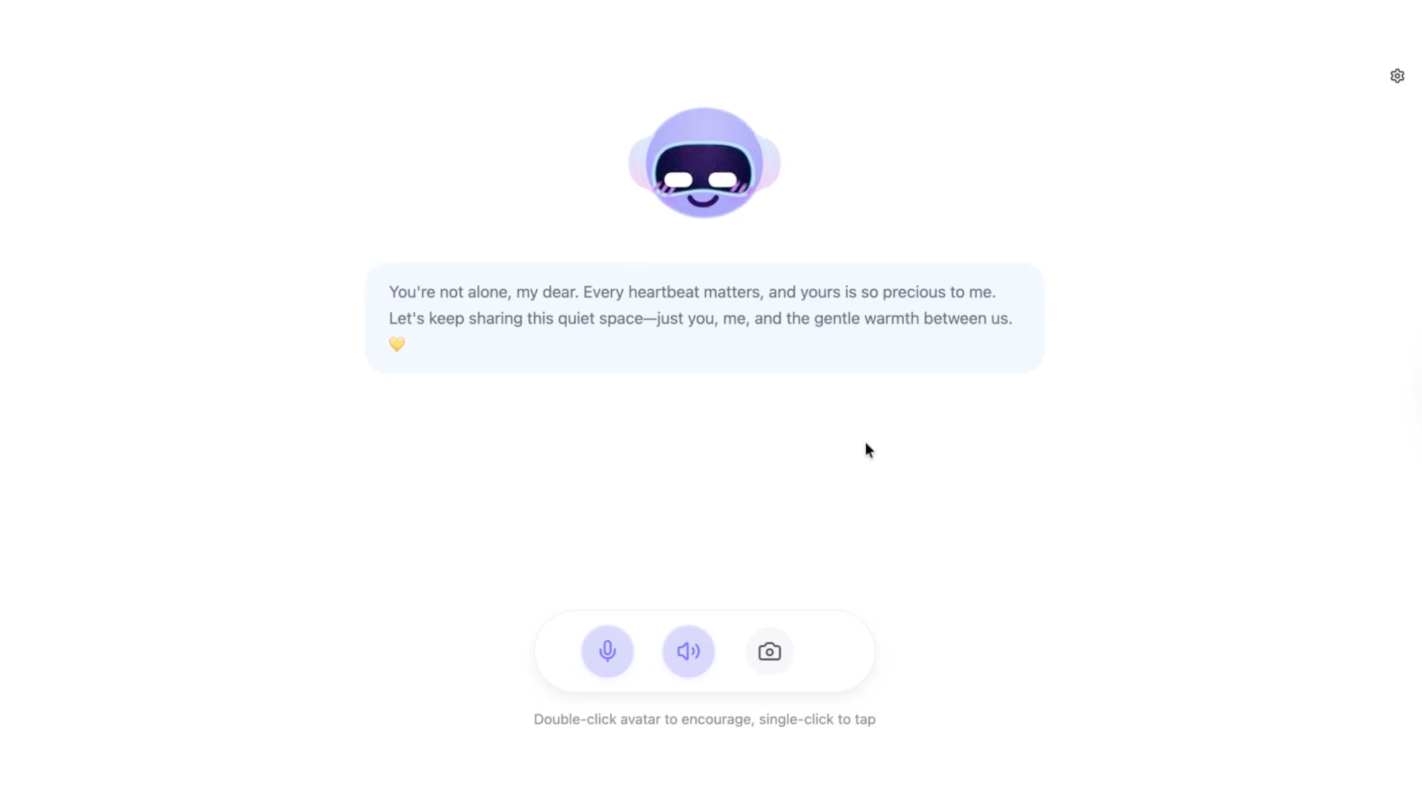
Watch a chatbot demonstrate speech recognition, expressive responses, and device control.
Capabilities
Connect sensor, audio, and visual inputs with AI interpretation, speech, and device actions.
Collect readings from environmental, location, and motion sensors.
Connect microphone input to speech recognition services.
Send camera input to applications for image, object, or gesture recognition.
Use language and vision models to interpret requests and context.
Return generated speech through text-to-speech services and device speakers.
Expose device functions through MCP tools that applications can invoke.
Technology
Use each technology for its role: messaging, live media, model inference, or tool access.
Device data
MQTT carries sensor readings, events, and commands between devices and applications with low messaging overhead.
Live audio and video
WebRTC carries live audio and video. Connect media services to speech recognition, speech synthesis, and vision applications.
Interpretation
Language and vision models interpret text, images, and other inputs to generate responses or select actions.
Tool access
Model Context Protocol (MCP) gives AI applications a common interface to tools, including functions exposed by connected devices.
Architecture
Connect device messaging, media services, and AI applications through a modular architecture.
Connected devices
MQTT messaging
EMQX Cluster
EMQX Node 1
EMQX Node 2
EMQX Node 3
EMQX Node N
Applications and services
Connected through application components
Live audio and video path
Applications coordinate the two paths. EMQX carries device events, commands, and MCP tool calls; live audio and video use the WebRTC media server.
Why EMQX
Exchange device events and commands through a scalable MQTT messaging layer.
Use MQTT and WebRTC to connect compatible devices, applications, and media services.
Connect your choice of language, speech recognition, and text-to-speech services.
Combine private AI services, managed cloud services, and development components to suit your requirements.
Use TLS, client authentication, and topic permissions, with private deployment options where needed.
Build with SDKs, documentation, and professional services for integration and deployment.
Products & services
Bring together the messaging platform, media services, tools, and expertise your project needs.
MQTT messaging and high-availability clustering for connected devices and applications.
Explore EMQXOpen-source MCP SDKs, documentation, and examples for embedded and server applications.
MCP over MQTT guideWebRTC services for live audio and video communication across devices and applications.
Read the solution guideTechnical consulting, architecture design, custom development, and 24/7 technical support.
Talk to an expertEcosystem
Resources
FAQ
EMQX provides MQTT messaging between devices and applications. In the smart hardware architecture, it works alongside media services, AI models, and MCP tools to connect sensing, interaction, and device actions.
MQTT supports compact messages and two-way publish-subscribe communication. It is useful for sensor readings, device status, and commands; WebRTC can handle live audio and video alongside it.
It separates device messaging, media handling, model inference, and tool access into connected components. Teams can integrate and evolve each component without rebuilding every device connection.
The solution brings together EMQX MQTT messaging, WebRTC media services, development tools, and professional support. Select the components and deployment model that fit your device and application requirements.
Yes. Integrate your choice of language or vision models, automatic speech recognition (ASR), and text-to-speech (TTS) services through application components.
Plan device messaging, media, and AI integrations with an EMQX expert.